
No products in the cart.
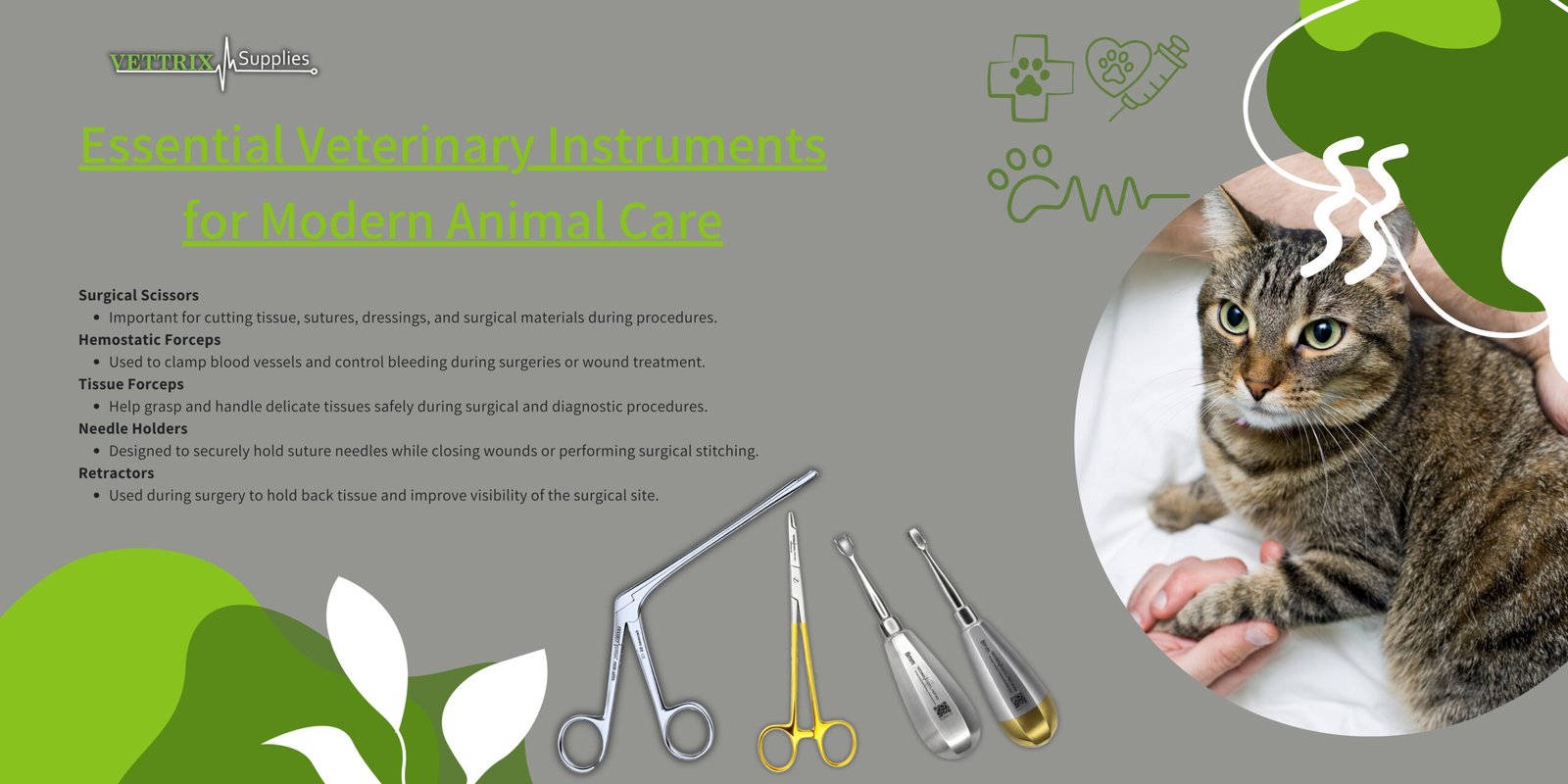
Essential Veterinary Instruments for Modern Animal Care: A Complete Guide
Essential Veterinary Instruments for Modern Animal Care: A Complete Guide to Diagnostic, Surgical, Sterilization, and Dental Tools
In the realm of veterinary medicine, the right instruments are crucial for ensuring the health and well-being of animals. This comprehensive guide delves into the essential veterinary instruments that modern animal care relies on, including diagnostic, surgical, sterilization, and dental tools. Readers will learn about the various types of instruments, their functions, and best practices for maintenance. As veterinary professionals face increasing demands for precision and efficiency, understanding these tools becomes vital for effective animal care. This article will explore key diagnostic tools, essential surgical instruments, sterilization equipment, and dental instruments, providing insights into their importance and usage in veterinary practice.
What Are the Key Veterinary Diagnostic Tools Used in Animal Care?
Veterinary diagnostic tools are essential for accurately assessing the health of animals. These instruments enable veterinarians to perform examinations, diagnose conditions, and monitor the overall well-being of their patients. The importance of these tools cannot be overstated, as they directly impact the quality of care provided to animals. Common types of diagnostic tools include stethoscopes, otoscopes, and various imaging devices, each serving a unique purpose in the diagnostic process.
How Do Stethoscopes and Otoscopes Aid in Veterinary Examinations?
Stethoscopes and otoscopes are fundamental tools in veterinary examinations. Stethoscopes allow veterinarians to listen to heartbeats and lung sounds, providing critical information about an animal’s cardiovascular and respiratory health. Otoscopes, on the other hand, are used to examine the ears, helping to identify infections or other issues. The functionality of these instruments is vital for early detection and treatment of health problems in animals.
What Are the Maintenance Best Practices for Diagnostic Instruments?
Maintaining diagnostic instruments is crucial for ensuring their accuracy and longevity. Best practices include regular cleaning protocols, proper storage, and routine calibration. For instance, stethoscopes should be wiped down after each use to prevent contamination, while otoscopes should be checked for proper functioning before examinations. By adhering to these maintenance practices, veterinary professionals can ensure that their diagnostic tools remain reliable and effective.
Which Surgical Instruments Are Essential for Veterinary Procedures?
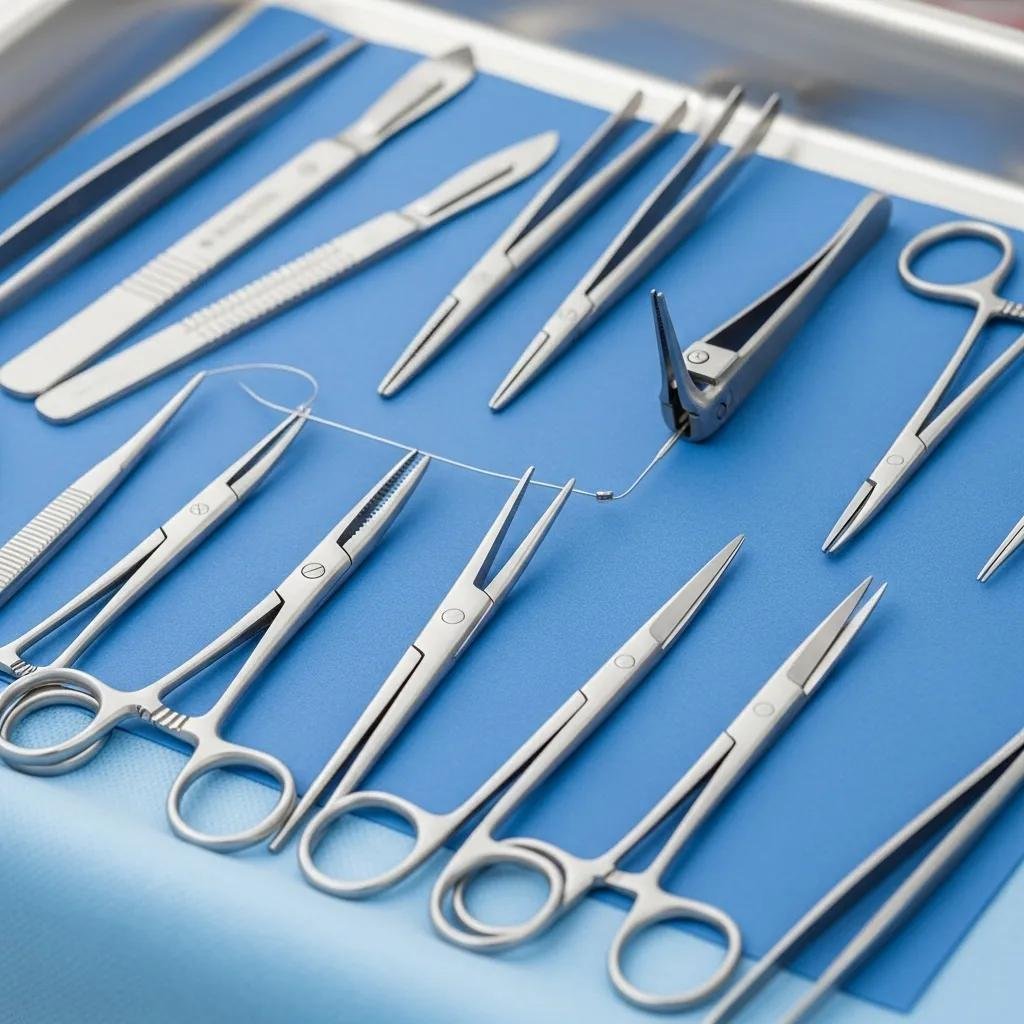
Surgical instruments play a pivotal role in veterinary procedures, enabling veterinarians to perform operations safely and effectively. These instruments vary widely in type and function, with each designed for specific tasks during surgery. Understanding the materials used in surgical instruments is also important, as it affects their durability and performance. Common surgical instruments include scalpels, forceps, and scissors, each serving a unique purpose in surgical procedures.
What Are the Functions and Materials of Common Veterinary Surgical Instruments?
Common veterinary surgical instruments serve various functions, from cutting and dissecting to grasping and suturing. Scalpels, typically made of stainless steel, are used for making incisions, while forceps are designed for holding tissues or objects during surgery. The choice of materials is crucial, as high-quality stainless steel instruments offer durability and resistance to corrosion, ensuring they can withstand repeated sterilization processes.
How Should Surgical Instruments Be Sterilized and Maintained?
Sterilization of surgical instruments is essential to prevent infections during procedures. Common sterilization methods include autoclaving and chemical sterilization. Autoclaves use steam under pressure to kill microorganisms, while chemical sterilization involves using disinfectants. Proper maintenance practices, such as thorough cleaning after each use and regular inspections for wear and damage, are also vital for prolonging the life of surgical instruments.
How Is Sterilization Equipment Used to Ensure Safety in Veterinary Care?
Sterilization equipment is a cornerstone of safety in veterinary care, ensuring that all instruments are free from harmful pathogens. The role of sterilization in preventing infections cannot be overstated, as it directly impacts the health outcomes of surgical procedures. Various types of sterilization equipment, including autoclaves and ultrasonic cleaners, are utilized to maintain a sterile environment in veterinary practices.
What Are the Best Practices for Using Autoclaves and Ultrasonic Cleaners?
Using autoclaves and ultrasonic cleaners effectively requires adherence to best practices. For autoclaves, it is essential to load instruments properly to ensure steam circulation and to monitor temperature and pressure settings. Ultrasonic cleaners should be used with appropriate cleaning solutions and for the recommended duration to achieve optimal results. Following these guidelines helps ensure that instruments are thoroughly sterilized and safe for use.
Which Sterilization Standards Are Recommended for Veterinary Instruments?
Adhering to sterilization standards is crucial for maintaining safety in veterinary practices. Recommended standards include those set by organizations such as the American Veterinary Medical Association (AVMA) and the Centers for Disease Control and Prevention (CDC). Compliance with these standards not only ensures the safety of surgical procedures but also enhances the overall quality of care provided to animals.
What Are the Essential Veterinary Dental Instruments and Their Care?
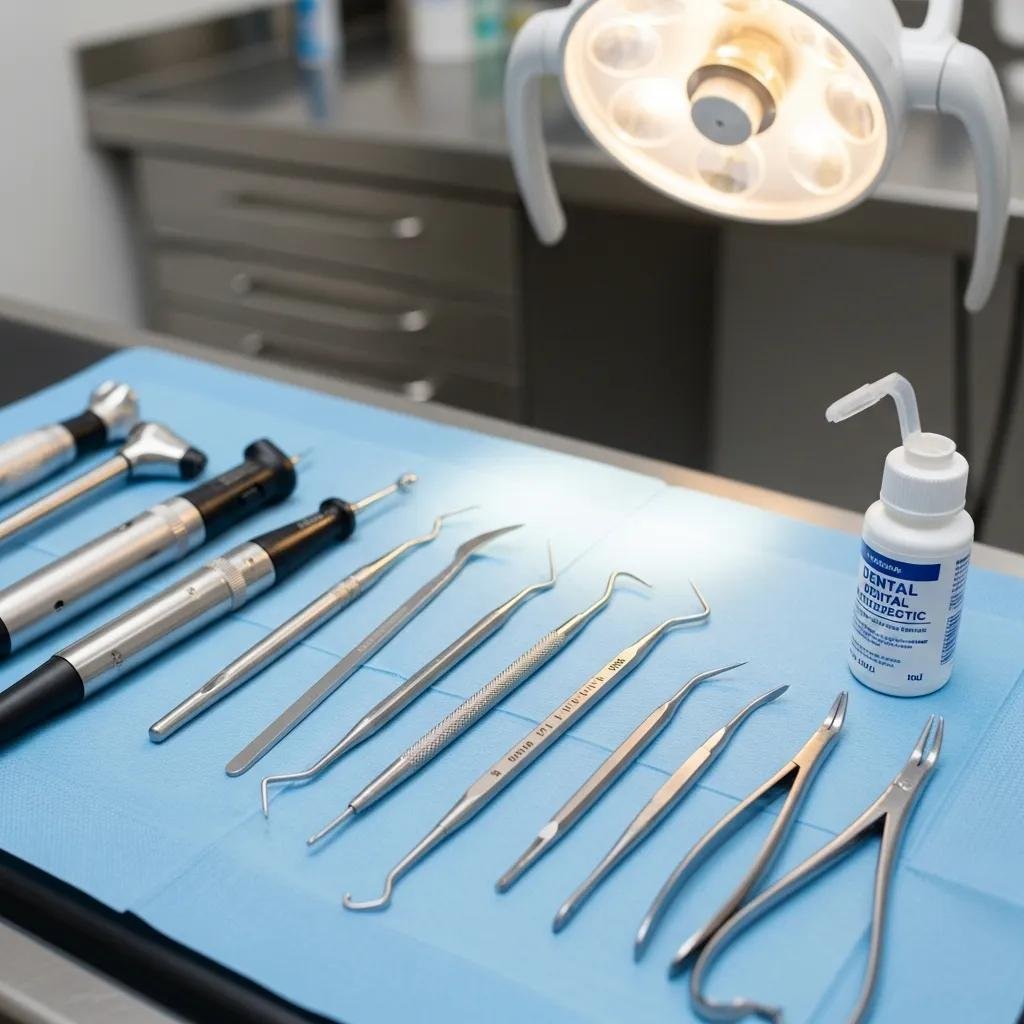
Veterinary dental instruments are vital for maintaining the oral health of animals. These tools are specifically designed to perform dental examinations, cleanings, and extractions. Understanding the types of dental instruments and their proper care is essential for veterinarians to provide effective dental care. Common dental instruments include scalers, probes, and extraction tools, each playing a critical role in dental procedures.
How Do Scalers, Probes, and Extraction Tools Support Animal Dental Health?
Scalers and probes are essential for dental cleanings, helping to remove plaque and tartar buildup. Scalers are designed to scrape away deposits on teeth, while probes are used to measure pocket depths around teeth, indicating potential periodontal disease. Extraction tools are necessary for safely removing teeth that are damaged or diseased. Together, these instruments support the overall dental health of animals, preventing more serious health issues.
What Are the Proper Cleaning and Storage Methods for Dental Instruments?
Proper cleaning and storage methods for dental instruments are crucial for maintaining their effectiveness and longevity. Instruments should be cleaned immediately after use to prevent the buildup of debris and bacteria. Sterilization methods, such as autoclaving, should be employed to ensure that instruments are free from pathogens. Additionally, dental instruments should be stored in a clean, dry environment to prevent damage and contamination.
Frequently Asked Questions
What are the signs that a veterinary instrument needs to be replaced?
Veterinary instruments should be replaced if they show signs of wear, such as rust, cracks, or dull edges. Instruments that no longer function properly, like scissors that won’t cut or forceps that don’t grip, can compromise the quality of care. Additionally, if an instrument has been subjected to excessive sterilization cycles and shows signs of degradation, it is time for a replacement. Regular inspections and maintenance can help identify these issues early, ensuring that all tools remain effective and safe for use.
How can veterinarians ensure the accuracy of diagnostic tools?
To ensure the accuracy of diagnostic tools, veterinarians should perform routine calibrations and maintenance checks. This includes cleaning instruments after each use, checking for any signs of damage, and ensuring that all components are functioning correctly. Additionally, keeping up with manufacturer guidelines for maintenance and calibration schedules is essential. Regular training on the proper use of these tools can also help veterinarians maximize their effectiveness and accuracy in diagnosing animal health issues.
What are the differences between manual and automated sterilization methods?
Manual sterilization methods, such as soaking instruments in disinfectants, require hands-on involvement and can vary in effectiveness based on user technique. In contrast, automated sterilization methods, like autoclaving, use controlled environments to ensure consistent results. Automated methods typically provide higher assurance of sterilization, as they eliminate human error and ensure that all instruments are exposed to the necessary conditions for effective sterilization. Understanding these differences can help veterinary practices choose the best method for their needs.
What role do dental instruments play in preventing systemic health issues in animals?
Dental instruments are crucial in preventing systemic health issues in animals, as oral health is closely linked to overall health. Conditions like periodontal disease can lead to bacteria entering the bloodstream, potentially affecting the heart, liver, and kidneys. Regular dental cleanings and examinations using appropriate instruments, such as scalers and probes, help maintain oral hygiene and prevent these serious health complications. By prioritizing dental care, veterinarians can significantly enhance the quality of life for their animal patients.
How can veterinary practices stay updated on the latest sterilization standards?
Veterinary practices can stay updated on the latest sterilization standards by regularly consulting resources from reputable organizations such as the American Veterinary Medical Association (AVMA) and the Centers for Disease Control and Prevention (CDC). Attending veterinary conferences, workshops, and training sessions can also provide valuable insights into new practices and technologies. Additionally, subscribing to veterinary journals and newsletters can help practitioners remain informed about evolving standards and best practices in sterilization and infection control.
What are the benefits of using high-quality surgical instruments?
Using high-quality surgical instruments offers numerous benefits, including enhanced precision, durability, and safety during procedures. High-quality instruments are typically made from superior materials, such as stainless steel, which resist corrosion and maintain sharpness longer. This reliability reduces the risk of complications during surgery and improves overall outcomes for animal patients. Investing in quality instruments can also lead to cost savings over time, as they require less frequent replacement and maintenance.
Conclusion
Understanding the essential veterinary instruments is crucial for delivering high-quality animal care, as they directly impact diagnostic accuracy, surgical success, and overall health outcomes. By familiarizing yourself with the various tools and their proper maintenance, you can enhance the effectiveness of your veterinary practice. Explore our comprehensive resources to stay informed about the latest advancements in veterinary instruments and best practices. Take the next step in elevating your animal care by accessing our full range of educational materials today.




Add comment